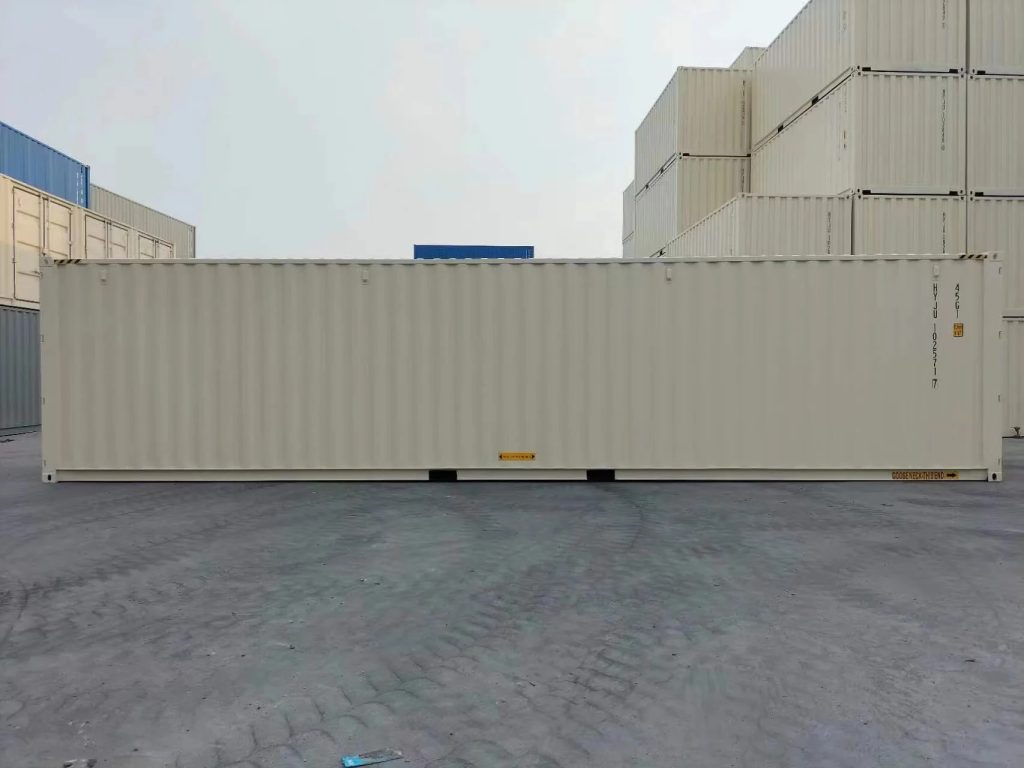
20 Things You Need To Be Educated About Shipping A 20 Foot Container
The Essentials of Shipping a 20-Foot Container: A Comprehensive Guide
Shipping items worldwide can be an intricate process, specifically when it pertains to container shipping. This post will dig deeper into one of the most typical sizes of containers— the 20-foot container. It will explore what it is, how to get ready for shipping, the expenses included, and provide answers to regularly asked concerns.
Understanding the 20-Foot Container
The 20-foot container, likewise referred to as a TEU (Twenty-foot Equivalent Unit), is one of the most extensively used sizes in container shipping. Its basic dimensions are as follows:
Specification
Measurement
External Length
20 feet (6.058 m)
External Width
8 feet (2.438 m)
External Height
8.5 feet (2.591 m)
Internal Length
19.4 feet (5.898 m)
Internal Width
7.7 feet (2.352 m)
Internal Height
7.9 feet (2.393 m)
Maximum Gross Weight
24,000 kg (52,910 lbs)
Payload Capacity
21,600 kg (47,500 lbs)
Key Features of 20-Foot Containers:
Versatility: Suitable for a wide variety of products, consisting of basic freight, equipment, and liquids (with unique adjustments).
Cost-Effectiveness: Smaller than a 40-foot container, making it a terrific choice for medium-sized deliveries or to save money on shipping expenses.
Reduce of Handling: Standardized size enables for easier loading and unloading at ports, minimizing transit time.
Preparation for Shipping
When shipping a 20-foot container, a number of actions are crucial to guarantee the procedure goes efficiently:
1. Understand Your Cargo
- Kind of Goods: Identify if your freight is perishable, delicate, or dangerous. This will influence the kind of container you'll require.
- Weight and Volume: Calculate the weight and volume of your goods to guarantee they fit within the container's payload capacity.
2. Pick the Right Container
There are numerous types of 20-foot containers available:
- Standard Dry Van: Basic container suitable for a lot of freight.
- Reefer: Temperature-controlled container for perishables.
- Open Top: Good for large-scale freight that can not be packed through basic doors.
- Flat Rack: For heavy equipment and equipment.
3. Secure a Shipping Line
Research and select a dependable shipping business that has experience in global shipping. Consider rates, scheduling, and client evaluations.
4. Prepare Documentation
Proper documents is vital for smooth customs clearance. Key files might consist of:
- Bill of Lading
- Commercial Invoice
- Packing List
- Certificate of Origin
- Import/Export Permits
5. Load Your Container
Proper loading is vital to avoid damage throughout transport.
- Use pallets to organize freight.
- Distribute weight evenly to preserve balance.
- Usage packaging products like bubble wrap, foam, or strapping for included security.
6. Reserve Your Shipping
- Confirm your shipping dates and transit time.
- Comprehend the regards to shipping, including incoterms that dictate duties and threats.
7. Insurance
Consider cargo insurance coverage to protect your delivery against loss or damage.
Cost Factors of Shipping a 20-Foot Container
The cost of shipping a 20-foot container can differ substantially based upon numerous factors, such as range, shipping line, and kind of freight. Below is a general breakdown of possible costs:
Cost Factor
Approximated Cost
Container Rental
₤ 1,200 – ₤ 3,000
Shipping Fee
₤ 900 – ₤ 3,000
Customs Duties & & Taxes
Differs by nation
Insurance coverage
1-2% of freight value
Documents Fees
Differs
Tips for Reducing Shipping Costs
- Combine Shipments: Combine several deliveries into one to save money on charges.
- Select Off-Peak Shipping: Prices are frequently lower throughout weekdays or offseason.
- Work out Rates: If you have frequent shipments, negotiate much better rates with your shipping line.
FAQ Section
Q1: How long does it take to deliver a 20-foot container?
A: Transit time can vary from a couple of days to several weeks depending upon the origin and destination, along with the shipping path taken.
Q2: What can be delivered in a 20-foot container?
A: Almost any type of cargo can be shipped as long as it fits within the container's weight and volume limitations. COG Containers includes equipment, family products, bulk products, and more.
Q3: How numerous pallets suit a 20-foot container?
A: Typically, a 20-foot container can hold 8 to 10 basic pallets depending upon how the goods are loaded.
Q4: Can I ship a cars and truck in a 20-foot container?
A: Yes, a standard automobile can normally fit in a 20-foot container together with other cargo, as long as weight constraints are thought about.
Q5: What occurs if my container is postponed?
A: Shipping hold-ups can occur for different reasons, consisting of weather or port blockage. Contact your shipping company for updates and contingency plans.
Shipping a 20-foot container is a crucial part of global trade, offering a practical methods to move products throughout borders. By understanding the whole process, from preparation to cost elements, carriers can ensure their freight reaches its location firmly and efficiently. Whether for personal or service requirements, addressing all aspects of shipping will help make the journey smoother and more successful.